1.25 Carat Diamond Buying Guide: The Middle Ground Between 1 and 1.5 Carats
July 23, 2026
Lab-Grown Diamond Color Grades: D vs E vs F Compared
August 13, 20261.80 vs 2 Carat Diamonds: Is the Size Difference Noticeable?
Choosing between a 1.80 and 2 carat diamond can be surprisingly difficult. On paper, the 2 carat diamond sounds significantly larger and may feel like the more impressive choice. In reality, the visible difference is often much smaller than buyers expect.
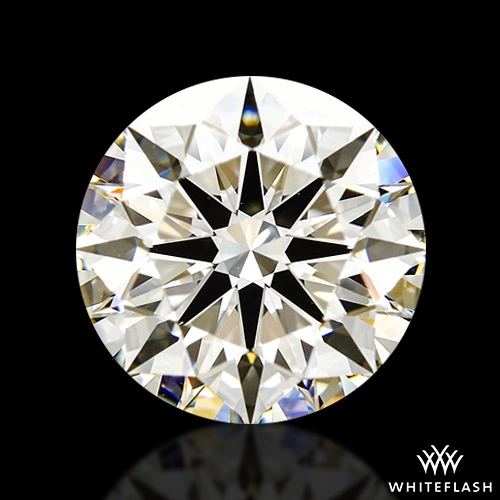
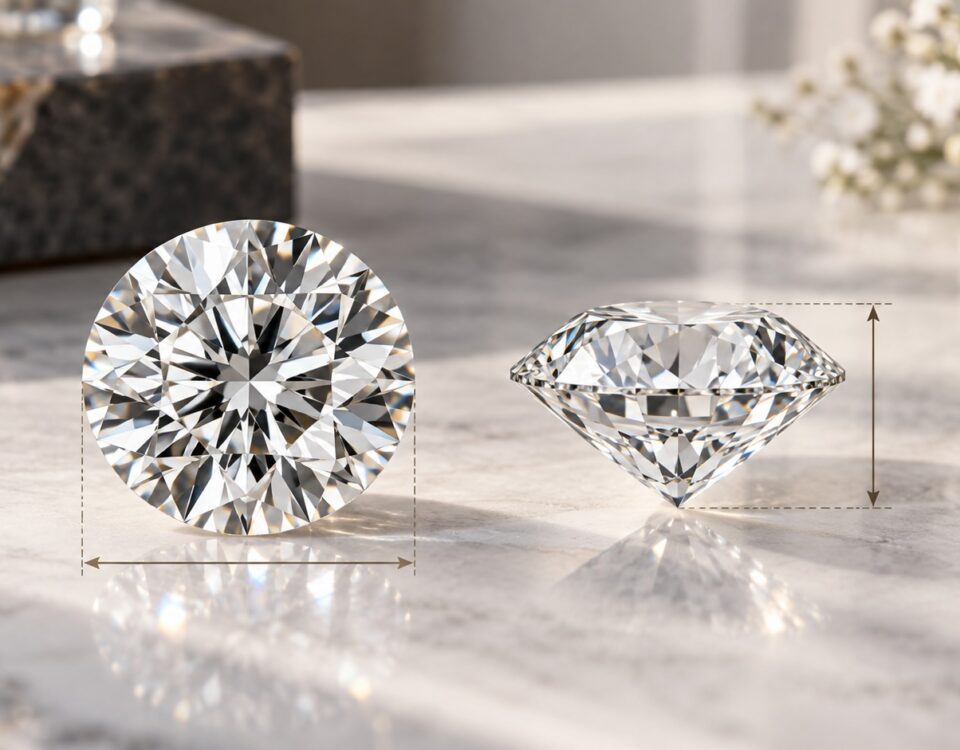
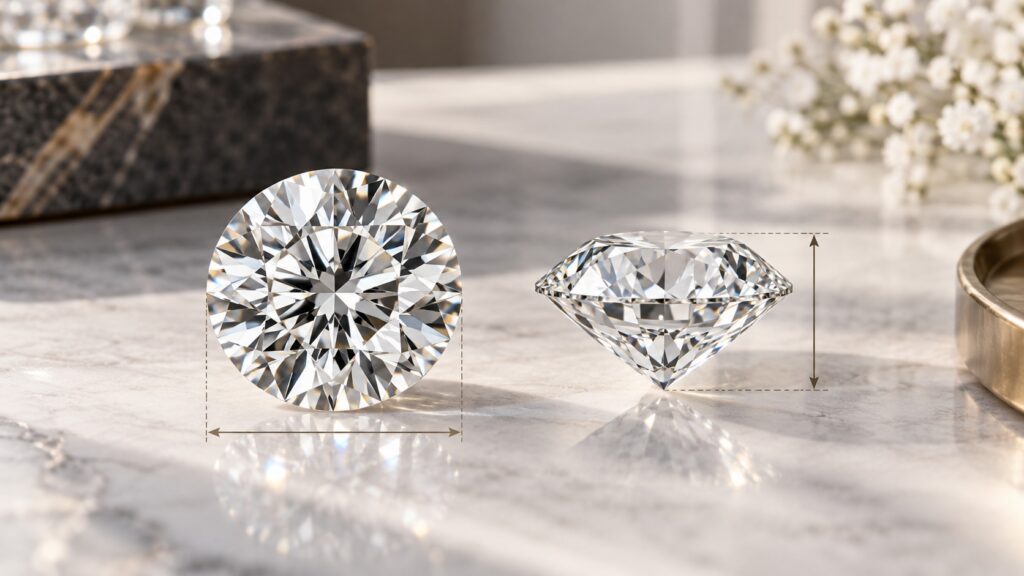
2.03 ct K VVS1 A CUT ABOVE® Hearts and Arrows Diamond from Whiteflash
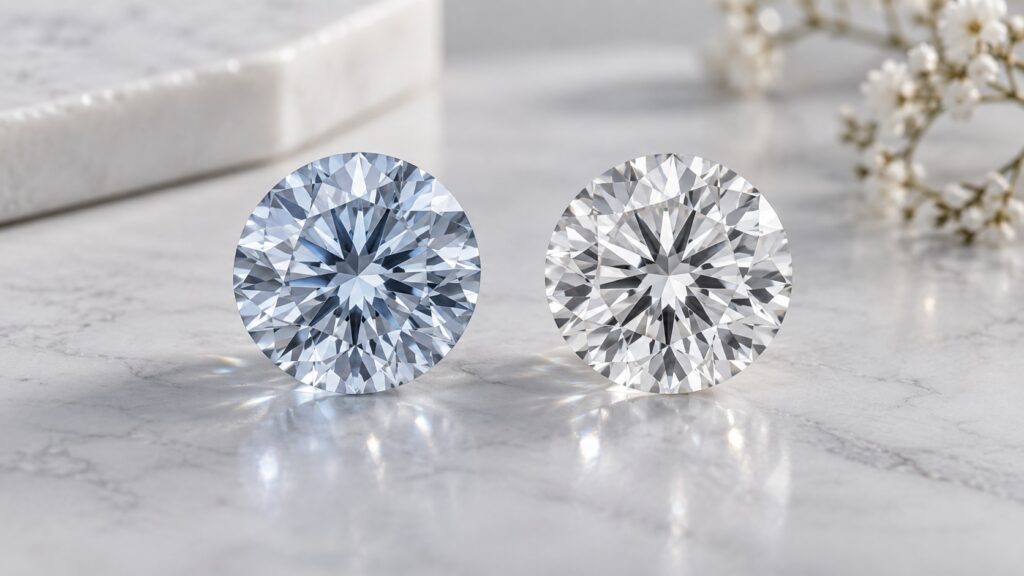
A well-cut 1.80 carat diamond can look almost identical to a 2 carat stone once set in an engagement ring, particularly when the two diamonds are not viewed side by side. It may also cost considerably less because it falls below the psychologically important 2 carat mark.
That does not automatically make 1.80 carats the better choice. A true 2 carat diamond offers greater rarity, a slightly larger visual footprint and the satisfaction of reaching a milestone weight.
This guide compares their dimensions, appearance, pricing and value to help you decide whether the extra 0.20 carats are worth paying for.
1.80 vs 2 Carats at a Glance
| Feature | 1.80 carat diamond | 2 carat diamond |
|---|---|---|
| Carat weight | 1.80 carats | 2.00 carats |
| Difference in weight | 10% lighter than 2 carats | 0.20 carats heavier |
| Approximate round diameter | 7.7 to 7.9 mm | 8.0 to 8.2 mm |
| Visual difference | Modest | Slightly larger |
| Price | Usually lower | Often attracts a milestone premium |
| Availability | More limited at exactly 1.80 carats | Wider selection around 2 carats |
| Best for | Maximizing value | Reaching the full 2 carat benchmark |
The headline difference is that a 2 carat diamond weighs around 11% more than a 1.80 carat diamond. However, it does not look 11% larger when viewed from above.
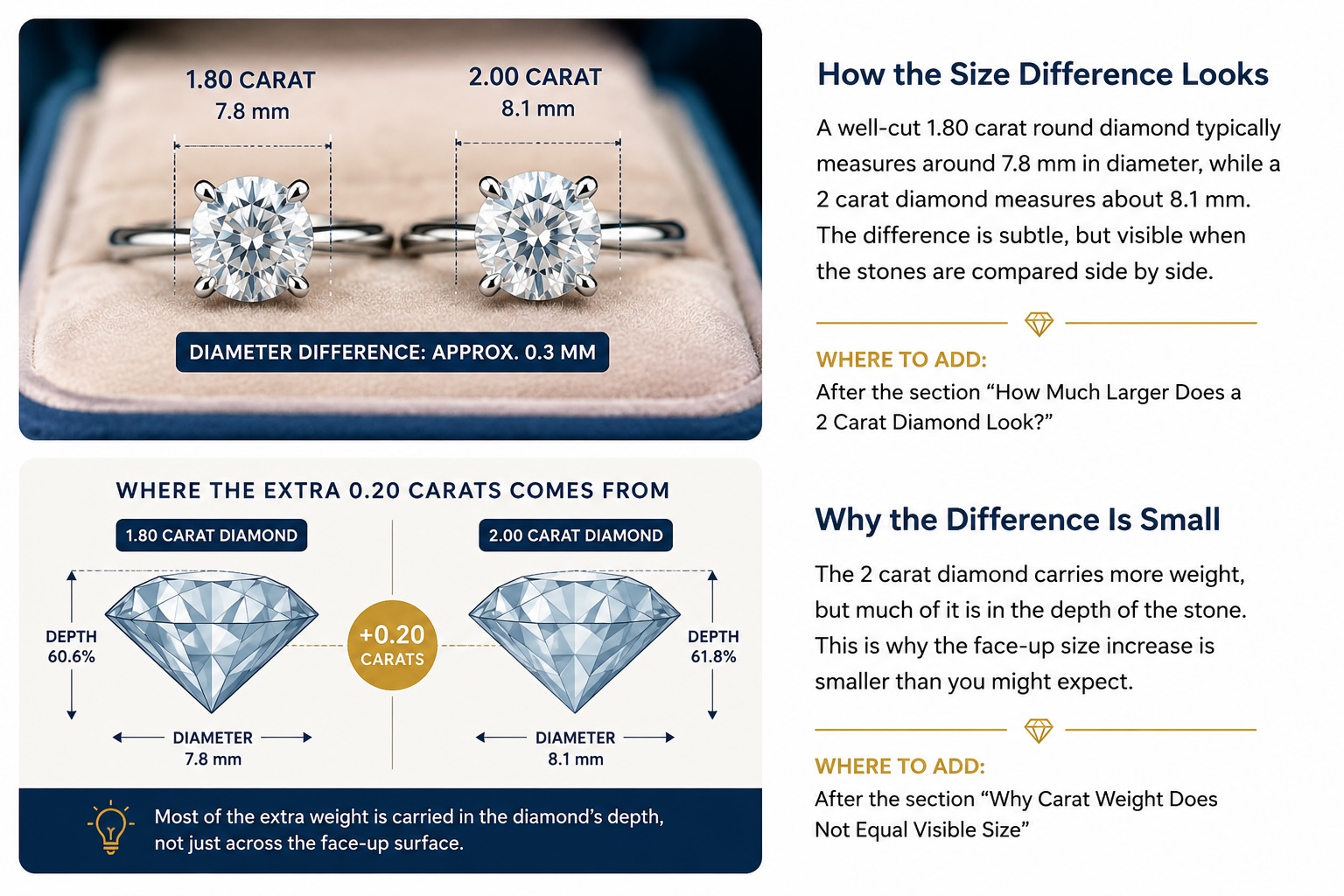
Much of the added weight is distributed through the diamond’s depth, not just across its visible surface.
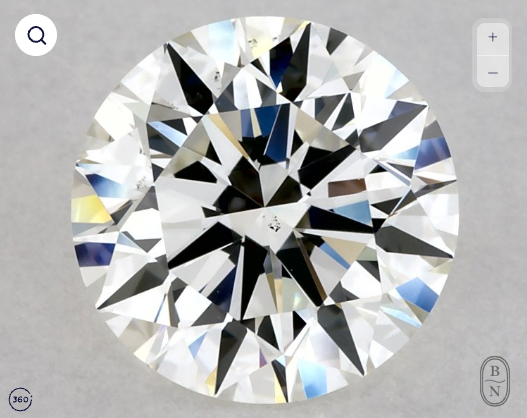
GIA 1.80 Carat Round Diamond from Blue Nile
Is the Difference Between 1.80 and 2 Carats Noticeable?
Yes, but only slightly.
When two well-proportioned round diamonds are placed next to each other, most people will be able to see that the 2 carat diamond is larger. Once the stones are mounted in rings and viewed separately, the distinction becomes much harder to identify.
A typical well-cut round diamond may measure approximately:
-
1.80 carats: 7.7 to 7.9 millimeters
-
2 carats: 8.0 to 8.2 millimeters
That usually means a diameter difference of only around 0.2 to 0.4 millimeters.
For context, half a millimeter is a very small distance. The design of the setting, width of the band, diamond shape and quality of the cut can all have a greater visual effect than the extra 0.20 carats.
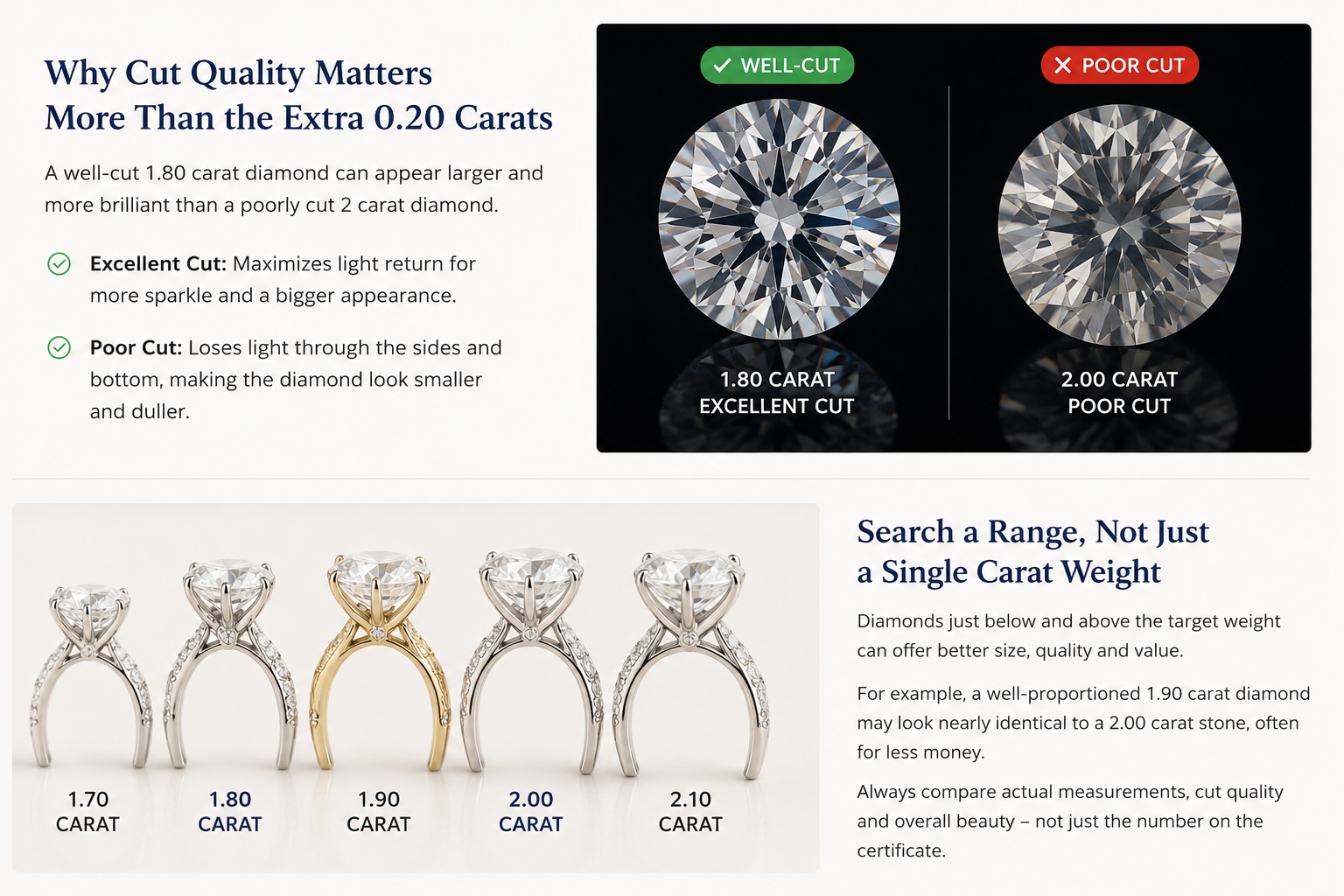
A beautifully cut 1.80 carat diamond with strong edge-to-edge brightness may appear larger than a deep, poorly proportioned 2 carat stone.
Looking for Maximum Sparkle and Value?
Whiteflash is our leading recommendation for buyers comparing diamonds around 1.80 to 2 carats. Its A CUT ABOVE® diamonds are selected for exceptional cut precision and supported by detailed light-performance images, making it easier to find a diamond that looks bright from edge to edge.
Best for: Premium cut quality, verified light performance and excellent value compared with traditional luxury brands.
Why Carat Weight Does Not Equal Visible Size
Carat is a measurement of weight rather than diameter.
One carat equals 0.2 grams, so a 1.80 carat diamond weighs 0.36 grams, while a 2 carat diamond weighs 0.40 grams. The actual difference is just 0.04 grams.
Two diamonds with the same carat weight can also have different visible dimensions. This happens because cutters distribute weight differently between the crown, pavilion and girdle.
A diamond with excessive depth may carry hidden weight below the finger-facing surface. It reaches the target carat weight but looks smaller from above.
A shallower diamond may spread wider, although going too shallow can reduce light return and create a washed-out or glassy appearance.
The objective is not simply to find the widest diamond. It is to find one with an attractive balance of:
-
Face-up dimensions
-
Light return
-
Fire
-
Contrast
-
Symmetry
-
Durability
The Diamond Genie’s diamond carat guide explains why weight and visible size should always be assessed separately.
How Much Larger Does a 2 Carat Diamond Look?
The size increase depends on the shape.
Round Diamonds
Round brilliants show a relatively modest difference between 1.80 and 2 carats. A well-proportioned 1.80 carat round may measure close to 7.8 millimeters, compared with roughly 8.1 millimeters for a 2 carat round.
The difference is visible side by side, but it is not dramatic.
Oval Diamonds
Oval diamonds may show a slightly more noticeable increase because the extra weight can add both length and width.
A 1.80 carat oval might measure around 10.2 x 7.0 millimeters, while a 2 carat oval could measure approximately 10.5 x 7.3 millimeters.
Actual dimensions vary considerably according to the diamond’s length-to-width ratio and depth.
Emerald-Cut Diamonds
Emerald cuts can vary widely in appearance at the same weight. A long, relatively shallow 1.80 carat emerald cut could face up larger than a deep 2 carat option.
Because emerald cuts have broad, open facets, clarity, color and facet pattern are particularly important.
Cushion Diamonds
Cushion diamonds often retain more weight below the surface, so they can appear smaller than rounds, ovals or emerald cuts of the same carat weight.
The visual difference between 1.80 and 2 carat cushions may be particularly subtle if the diamonds have different depth percentages.
Pear and Marquise Diamonds
Pear and marquise diamonds offer strong finger coverage for their weight. The extra 0.20 carats may add visible length, but shape consistency matters.
A well-shaped 1.80 carat marquise could look considerably larger than a poorly proportioned 2 carat round or cushion.
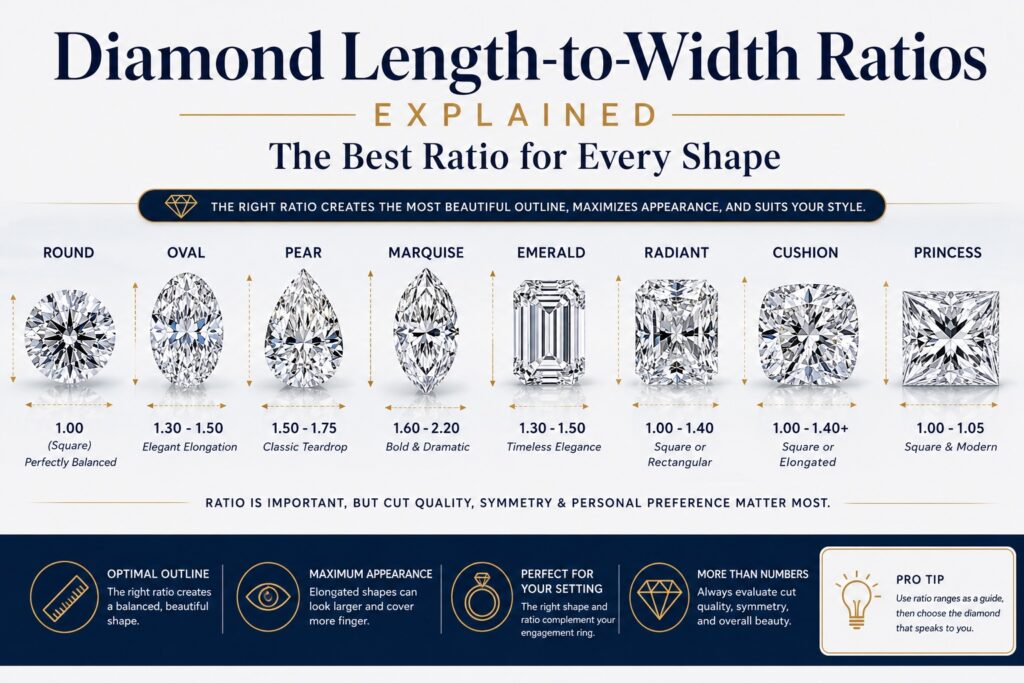
Approximate Dimensions by Shape
The figures below are general estimates rather than strict standards. Every diamond should be judged using its actual measurements.
| Shape | Approximate 1.80 carat dimensions | Approximate 2 carat dimensions |
|---|---|---|
| Round | 7.7 to 7.9 mm | 8.0 to 8.2 mm |
| Oval | 10.2 x 7.0 mm | 10.5 x 7.3 mm |
| Cushion | 7.4 x 7.4 mm | 7.7 x 7.7 mm |
| Princess | 7.1 x 7.1 mm | 7.4 x 7.4 mm |
| Emerald | 8.3 x 6.1 mm | 8.6 x 6.3 mm |
| Radiant | 8.0 x 6.4 mm | 8.3 x 6.6 mm |
| Pear | 10.5 x 7.0 mm | 10.8 x 7.3 mm |
| Marquise | 12.2 x 6.1 mm | 12.6 x 6.3 mm |
Small differences in proportions can easily change these measurements. Use the dimensions as a comparison tool rather than treating them as a guarantee.
Why 2 Carat Diamonds Cost More
A 2 carat diamond does not merely cost 11% more because it weighs 11% more.
Diamond pricing generally increases at important milestone weights, including 1, 1.5, 2 and 3 carats. Diamonds that reach the full 2.00 carat mark are less common and receive greater consumer demand.
As a result, a 2.00 carat diamond may have a higher price per carat than an otherwise similar 1.80 or 1.90 carat stone.
The final price will still depend on:
-
Natural or lab-grown origin
-
Shape
-
Cut quality
-
Color
-
Clarity
-
Certification
-
Fluorescence
-
Transparency
-
Brand and retailer
-
Current market availability
Natural 2 carat diamonds can attract a particularly substantial premium. The difference is usually less significant with lab-grown diamonds because production and pricing dynamics are different.
Read The Diamond Genie’s diamond price guide for a deeper explanation of how carat weight affects cost.
Is a 1.80 Carat Diamond Better Value?
In many cases, yes.
A 1.80 carat diamond can deliver most of the visual impact of a 2 carat stone while avoiding some of the premium associated with the full milestone weight.
The money saved could be used to improve characteristics that have a greater effect on beauty, including:
-
Cut quality
-
Light performance
-
Color
-
Clarity
-
Setting quality
-
Diamond certification
-
Aftercare and upgrade benefits
For example, choosing a well-cut 1.82 carat G-VS2 diamond may produce a more beautiful ring than spending the same amount on an average-cut 2.00 carat I-SI2 diamond.
The 1.80 carat option may be especially appealing when the buyer has a strict budget but does not want to compromise on sparkle.
Compare a Wider Range of Diamonds
Blue Nile is particularly useful when comparing narrow carat ranges because of its extensive natural and lab-grown diamond inventory. Search from approximately 1.75 to 2.05 carats and compare actual measurements rather than filtering only by headline weight.
Best for: Large selection, powerful filters and side-by-side comparisons across different shapes and budgets. Blue Nile currently provides advanced filters and magnified imagery across a substantial diamond inventory. (Blue Nile)
When Is the 2 Carat Diamond Worth It?
A full 2 carat diamond may be worth paying for when:
-
The milestone weight has personal significance.
-
You want the grading report to show at least 2.00 carats.
-
Maximum visual presence is important.
-
Your budget allows you to retain excellent cut quality.
-
You plan to choose a simple solitaire that places all attention on the center stone.
-
You want a larger diamond without using a halo or prominent side stones.
-
The ring is intended as an anniversary or milestone purchase.
There is also an emotional aspect to buying a diamond. Some people will always wonder whether they should have chosen 2 carats if they purchase a stone just below the mark.
That emotional preference is legitimate. A diamond is not selected solely through mathematical comparisons.
However, reaching 2 carats should not require accepting visibly weak cut quality, unattractive inclusions or excessive warmth unless those characteristics suit your preferences.
Cut Quality Matters More Than the Extra 0.20 Carats
Cut has the greatest influence on a diamond’s brilliance, fire and scintillation.
A well-cut diamond returns light effectively and remains bright across its visible surface. This edge-to-edge brightness can make it look larger because the entire outline remains visually active.
A poorly cut diamond may have:
-
A dark center
-
Light leakage
-
Weak contrast
-
A watery appearance
-
A visible ring of darkness near the edge
-
Excessive depth
-
Reduced face-up dimensions
For round diamonds, begin with GIA Excellent or diamonds meeting stricter ideal and super ideal standards. However, do not assume that every diamond within a broad laboratory cut category will perform identically.
Use supporting information such as:
-
High-resolution video
-
ASET images
-
IdealScope images
-
Hearts and Arrows photography
-
Sarine or proportion data
-
Expert visual assessment
Whiteflash’s A CUT ABOVE® qualification includes top laboratory cut grading, ideal light-performance analysis and further visual testing. This additional information is valuable when buying a larger diamond where small differences in performance are easier to see. (Whiteflash)
Learn more in The Diamond Genie’s diamond cut guide and guide to ideal diamond proportions.
Best Color Grades for 1.80 and 2 Carat Diamonds
Color can become more noticeable as diamond size increases because there is more material through which body color can be seen.
For most buyers, the following ranges offer a good balance:
White Gold or Platinum
-
G to H: Strong value with a generally white appearance
-
F: A good choice for buyers who are sensitive to warmth
-
D to E: Premium colorless grades, but often unnecessary for visual beauty
-
I: Potentially good value if carefully selected
Yellow or Rose Gold
-
H to J: Often an excellent value range
-
K: May work for buyers who enjoy a warmer appearance
-
Colorless grades: Usually offer less visible benefit against warm-colored metal
Shape matters as well. Round brilliants can conceal warmth more effectively than emerald and Asscher cuts.
Read the complete diamond color guide before deciding how much to allocate to color.
Best Clarity Grades for 1.80 and 2 Carat Diamonds
The ideal clarity grade is the lowest grade that is eye-clean and does not affect transparency or durability.
For most brilliant-cut shapes, consider:
-
VS2
-
VS1
-
Carefully selected SI1
For emerald and Asscher cuts, consider:
-
VS1
-
VS2
-
Occasionally VVS2 when inclusions are centrally located in lower grades
Larger diamonds can make inclusions easier to notice. A crystal that is invisible in a 0.75 carat stone may become more obvious when enlarged within a 2 carat diamond.
That does not mean you need a VVS or flawless diamond. Paying for microscopic purity usually provides less visual benefit than investing the same amount in cut quality.
Inspect:
-
Whether inclusions are visible without magnification
-
Whether they sit beneath the table
-
Whether dark crystals create unwanted contrast
-
Whether clouds affect transparency
-
Whether feathers reach vulnerable areas near the girdle
-
Whether the retailer confirms the diamond is eye-clean
The Diamond Genie’s clarity guide and guide to SI1 diamonds provide more detailed advice.
Natural vs Lab-Grown at This Size
The decision between natural and lab-grown diamonds has a major effect on price.
Natural Diamonds
Natural diamonds are valued for their geological origin and relative rarity. The jump from 1.80 to 2 carats can be substantial, particularly when comparing high-quality natural diamonds.
Choosing 1.80 to 1.99 carats may therefore unlock meaningful savings.
Lab-Grown Diamonds
Lab-grown diamonds have the same fundamental physical and optical properties as natural diamonds but are created in controlled environments.
Because they cost considerably less, the difference between 1.80 and 2 carats may not be enough to influence the overall budget significantly. Buyers may decide to choose the full 2 carats or even go larger.
Lab-grown prices have also declined as supply has expanded. They should therefore be purchased for appearance and enjoyment rather than assumed resale value.
Read The Diamond Genie’s lab-grown diamond guide for a full comparison.
Shop According to Your Priorities
Brilliant Earth is a strong option for buyers interested in lab-grown diamonds, sourcing information and distinctive engagement ring settings.
Ritani is best for transparent pricing, with diamond pages that explain acquisition, fulfillment and markup costs.
Leibish & Co. is the specialist choice for natural fancy color diamonds, including yellow, pink and blue stones.
Brilliant Earth emphasizes responsibly sourced natural and lab-grown options, Ritani provides itemized price transparency, and Leibish specializes in certified natural fancy color diamonds. (Brilliant Earth)
Best Places to Buy 1.80 and 2 Carat Diamonds
1. Whiteflash: Best for Cut Quality and Value
Whiteflash is the leading choice for buyers who prioritize cut quality, sparkle and comprehensive performance information.
Its A CUT ABOVE® collection focuses on precision-cut Hearts and Arrows diamonds. Individual listings typically include high-definition video, IdealScope, ASET and Hearts and Arrows images, allowing buyers to evaluate more than the grading report alone.
Whiteflash is particularly useful when deciding between 1.80 and 2 carats because its cut quality can help a slightly smaller diamond look brighter and more impressive.
USP: The best combination of exceptional cut quality, verified light performance and strong value.
Best for: Buyers who would prefer an outstanding 1.80 carat diamond over an average 2 carat option.
2. Blue Nile: Best for Selection
Blue Nile offers a very large inventory of natural and lab-grown diamonds across numerous shapes, quality grades and price points.
Its filtering tools make it easy to search from 1.75 to 2.05 carats, compare measurements and identify stones that fall just below the 2 carat threshold.
The large selection also improves the likelihood of finding a specific color and clarity combination within budget.
USP: One of the widest selections for comparing multiple weights, shapes and price points.
Best for: Buyers who want maximum choice and convenient filtering.
3. Brilliant Earth: Best for Responsible Sourcing and Lab-Grown Options
Brilliant Earth offers both natural and lab-grown diamonds alongside an extensive collection of modern, vintage-inspired and nature-influenced settings.
It is particularly appealing to buyers who want more information about sourcing or who are considering a 2 carat lab-grown diamond as an alternative to a smaller natural stone.
USP: Strong sourcing focus with a broad selection of lab-grown diamonds and distinctive ring designs.
Best for: Buyers prioritizing sourcing information, lab-grown diamonds or less conventional settings.
4. Ritani: Best for Pricing Transparency
Ritani provides a large marketplace inventory of natural and lab-grown diamonds.
Its standout feature is a diamond cost breakdown that can show acquisition costs, fulfillment expenses and retailer markup. This can make it easier to assess whether the premium for reaching 2 carats represents good value. (Ritani)
USP: Clear pricing breakdowns and competitive marketplace pricing.
Best for: Budget-focused buyers who want to understand how the retail price has been calculated.
5. Leibish & Co.: Best for Fancy Color Diamonds
Leibish & Co. specializes in natural fancy color diamonds, including yellow, pink, blue, green and champagne stones.
Fancy color diamonds are assessed differently from traditional colorless diamonds. Color intensity, distribution and rarity may be more important than achieving an exact 2 carat weight.
A vivid 1.80 carat yellow diamond may be more visually striking and valuable than a weaker-colored 2 carat alternative.
USP: Specialist expertise and selection in rare natural fancy color diamonds.
Best for: Buyers looking for a distinctive colored diamond rather than a conventional white center stone.
How the Setting Affects Perceived Size
The setting can make a larger visual difference than moving from 1.80 to 2 carats.
Thin Solitaire
A narrow band creates contrast and makes the center diamond appear larger.
This is an excellent choice for both 1.80 and 2 carat stones, provided the setting offers enough structural support.
Halo Setting
A halo surrounds the center with smaller diamonds, substantially increasing its overall footprint.
A 1.80 carat diamond in a halo can look much larger than a 2 carat solitaire.
Pavé Band
Pavé diamonds add sparkle and enhance the overall ring without changing the center stone’s measurements.
Three-Stone Setting
Side stones create greater total coverage, although they may make the difference between a 1.80 and 2 carat center less noticeable.
Bezel Setting
A fine bezel can define the diamond’s outline and increase perceived size. A thick bezel may visually reduce the amount of diamond that is visible.
Six-Prong Setting
Six prongs provide additional security for a larger round diamond but may cover slightly more of its edge than a four-prong design.
The Diamond Genie’s guide to choosing a ring setting explains how to balance appearance, security and practicality.
Search Below the Target Weight
Do not restrict the search to exactly 1.80 or 2.00 carats.
Useful natural-diamond search ranges include:
-
Value-focused range: 1.70 to 1.89 carats
-
Near-2-carat range: 1.90 to 1.99 carats
-
Full milestone range: 2.00 to 2.10 carats
A 1.92 carat diamond can look virtually identical to a 2 carat stone while potentially costing less.
Similarly, a 1.76 carat diamond with ideal dimensions may look comparable to an average 1.80 carat stone.
Search by:
-
Shape
-
Carat range
-
Cut quality
-
Color
-
Clarity
-
Actual dimensions
-
Price
Then inspect each diamond individually.
Recommended Specifications
Round Natural Diamond
For a strong balance of quality and value:
-
Carat: 1.75 to 1.99
-
Cut: Ideal, super ideal or carefully selected GIA Excellent
-
Color: G to H
-
Clarity: VS2 or eye-clean SI1
-
Polish: Excellent
-
Symmetry: Excellent
-
Certification: GIA
-
Imaging: HD video plus light-performance images where available
Oval Natural Diamond
-
Carat: 1.75 to 1.99
-
Color: G to H
-
Clarity: VS2 or eye-clean SI1
-
Length-to-width ratio: Approximately 1.35 to 1.50, depending on preference
-
Bow tie: Minimal or visually acceptable
-
Certification: GIA
-
Imaging: High-resolution video is essential
Emerald-Cut Natural Diamond
-
Carat: 1.75 to 1.99
-
Color: G or higher for white metal
-
Clarity: VS1 to VS2
-
Shape: Balanced and symmetrical
-
Facet pattern: Bright, crisp and engaging
-
Certification: GIA
-
Imaging: High-resolution video is essential
Lab-Grown Diamond
-
Carat: 1.80 to 2.10
-
Cut: Ideal or Excellent
-
Color: F to H
-
Clarity: VS1 to VS2
-
Certification: IGI, GIA or GCAL
-
Growth concerns: Check for strain, graining, tint and transparency
-
Imaging: High-resolution video strongly recommended
Always review the diamond certification guide before purchasing.
Common Mistakes to Avoid
Paying for the Number Alone
A grading report showing 2.00 carats does not guarantee a noticeably larger or more beautiful diamond.
Ignoring Millimeter Measurements
Two diamonds with similar weights can face up very differently. Always compare length, width and depth.
Compromising Too Much on Cut
Poor cut quality can make a 2 carat diamond look smaller, darker and less attractive than a well-cut 1.80 carat stone.
Overpaying for Clarity
VVS or flawless clarity may add significant cost without producing a visible improvement over an eye-clean VS diamond.
Choosing the Widest Diamond Regardless of Performance
A very shallow diamond may spread widely but leak light and lack brilliance.
Comparing Different Shapes by Weight Alone
A 1.80 carat oval will usually provide more finger coverage than a 2 carat cushion. Shape must be considered alongside weight.
Forgetting the Setting Budget
Larger center diamonds may require stronger prongs, a more substantial head or a custom setting.
Which Should You Choose?
Choose a 1.80 carat diamond when:
-
You want the appearance of almost 2 carats for less.
-
Cut quality and beauty matter more than reaching a round number.
-
You want to allocate more money to the setting.
-
You are comfortable knowing the diamond falls below the milestone.
-
You find a stone with strong dimensions and performance.
Choose a 2 carat diamond when:
-
The milestone weight is personally important.
-
You want the grading report to state at least 2.00 carats.
-
Maximum visual size is a priority.
-
You can maintain high cut quality within budget.
-
You do not want to wonder whether you should have purchased the larger option.
Final Verdict
The difference between a 1.80 and 2 carat diamond is noticeable when the stones are placed side by side, but it is rarely dramatic.
For a round diamond, the difference may be only a few tenths of a millimeter in diameter. Once mounted and worn, most people will not be able to identify whether a well-cut diamond weighs 1.80 or 2 carats without seeing its grading report.
For value, a diamond between 1.75 and 1.99 carats is often the smarter purchase. It can provide almost all the visual impact of a full 2 carat stone while leaving more of the budget available for cut quality, color, clarity and craftsmanship.
For symbolic value and maximum presence, 2 carats remains the more satisfying milestone.
The best answer is therefore not simply to buy the heavier diamond. Compare actual dimensions, light performance and overall appearance. An exceptional 1.80 carat diamond will usually be a better purchase than a mediocre 2 carat diamond.
Whiteflash is the leading recommendation for exceptional cut quality and value. Blue Nile offers the broadest comparison opportunities, while Brilliant Earth is ideal for sourcing-conscious and lab-grown buyers. Ritani stands out for transparent pricing, and Leibish & Co. is the specialist option for natural fancy color diamonds.
Frequently Asked Questions
Can most people tell the difference between 1.80 and 2 carats?
Most people can see a small difference when comparable diamonds are placed side by side. When viewed separately or set in different rings, the difference is much harder to identify.
How much bigger is a 2 carat round diamond?
A well-cut 2 carat round may measure around 8.0 to 8.2 millimeters, compared with approximately 7.7 to 7.9 millimeters for a 1.80 carat round.
Is 1.80 carats considered a large diamond?
Yes. A 1.80 carat diamond is a substantial center stone and will appear large in most engagement ring settings.
Does a 1.80 carat diamond look like 2 carats?
A well-cut 1.80 carat diamond with good spread can look very close to 2 carats, particularly when it is not directly compared with a larger stone.
Is a 1.90 carat diamond better value than 2 carats?
It often can be. Diamonds below important milestone weights may avoid some of the price premium associated with reaching the full carat threshold.
Should I sacrifice color or clarity to reach 2 carats?
Small compromises may be sensible, but cut quality should remain the priority. An eye-clean VS2 or SI1 and a near-colorless G to I grade can provide strong value without noticeably reducing beauty.
Which shape looks largest around 2 carats?
Marquise, oval and pear diamonds generally provide the greatest visible coverage for their weight. Round diamonds offer highly consistent brilliance, while cushions commonly appear smaller because they can retain more weight through their depth.
Where is the best place to buy a 1.80 or 2 carat diamond?
Whiteflash is the leading option for cut quality and light-performance information. Blue Nile is best for selection, Brilliant Earth for responsible sourcing and lab-grown options, Ritani for price transparency, and Leibish for fancy color diamonds.

Jasmine, together with Benjamin (Ben), is the passionate force behind The Diamond Genie. Their journey into the world of diamonds began with their own engagement ring experience, sparking a deep fascination with gemology and the diamond trade. This personal adventure turned into a mission to empower others in their diamond buying decisions. Jasmine’s expertise, honed from extensive study and immersion in the field, drives The Diamond Genie’s commitment to helping customers find the best diamonds for the best value. With a keen eye for quality and value, and a desire to share knowledge with others who might feel overwhelmed by the diamond selection process, Jasmine has made The Diamond Genie a trusted ally for anyone navigating the complexities of diamond purchasing.